


 4480 S Tiffany Dr, Mangonia Park, FL 33407



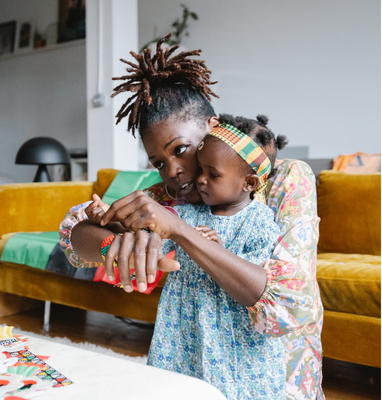
Infant rooms are simple places by design – but the parent bag is where new families lose their mornings. Here is what actually gets used in a baby’s day, what stays home, and the questions worth asking your center before the first drop-off.
The daily bag
- Diapers – one for every two hours your baby is with us, plus three spares. New babies surprise you.
- Wipes and diaper cream, if you use a specific brand or one your baby tolerates.
- Two full changes of clothes, including socks. Spit-up and diaper blowouts never happen once.
- Bottles – enough for the day. Most families send the bottles already filled and pre-labeled.
- A wet bag or two for soiled clothes, so the clean ones stay clean on the way home.
- A lovey or pacifier that stays in the crib, if your baby uses one.
- A sun hat and sunscreen for outdoor buggy rides and playground time, if your pediatrician has cleared sunscreen for your baby’s age.
Bottles, breast milk and formula
This is the part of infant care that is most specific to each center, so it is worth asking directly rather than guessing. In general:
- Label everything with your baby’s first and last name and the date – bottles, caps, lids and storage bags included.
- Send what your baby will drink that day. Refrigerated breast milk is generally used within a set window, so centers usually cannot carry milk over from one day to the next.
- Ask how medication is handled. Most programs require written authorization from a parent plus the original prescription container before any medication is given.
- Ask how feedings are documented. You should be able to see what your baby ate, how much, and when – on a daily report at pickup.
At Kids-R-Kreative: infants follow their own feeding and nap plan from home, nap times and feedings are written on the daily report you receive at pickup, and our infant room follows safe sleep practices – on the back, in a crib, with nothing soft in the crib.
What not to bring
- Pillows, blankets, bumpers or stuffed animals for the crib. Safe sleep guidance for infants is a firm mattress, a fitted sheet and nothing else.
- Home remedies or unlabeled medicine. Without written authorization, staff cannot give it.
- Cereal or food additions in bottles unless your pediatrician has put the instruction in writing.
- Anything irreplaceable. Infant rooms are busy; everyday clothes are easier than heirlooms.
Three things that make mornings easier
- Pack the night before and keep a second set of spare clothes in the bag permanently.
- Refill on a schedule – Sunday for diapers, Wednesday for wipes – instead of noticing at 7:00 a.m.
- Write your baby’s cues down once for the teacher: what their hungry cry sounds like, what helps them settle, and how they like to be held.
Want to see the infant room and ask these questions in person? Schedule a tour, or read more about our infant care program and the For Parents page.

 Schedule a Tour